

Argentina
Academic Education
Project start: June 2026
Project Manager: MV Sergio Parra
Partner institutions: Faculty of Veterinary Sciences – Universidad Nacional del Litoral
Targeted courses: Bachelor in Veterinary Medicine
Advancing Animal Welfare education through a Large Animal Simulation Unit with focus in obstetrics & neonatal Care
The Faculty of Veterinary Sciences at Universidad Nacional del Litoral (UNL) has approximately 2,500 students enrolled in the Veterinary Medicine programme. Within the academic areas of Animal Welfare and Theriogenology, students receive theoretical training related to bovine welfare, good management practices, and obstetrical procedures. However, the practical components of this training, which require the development of specific technical skills, currently face several significant limitations, including limited availability of animals in relation to the number of students and lack of specialised teaching resources like simulation equipment.
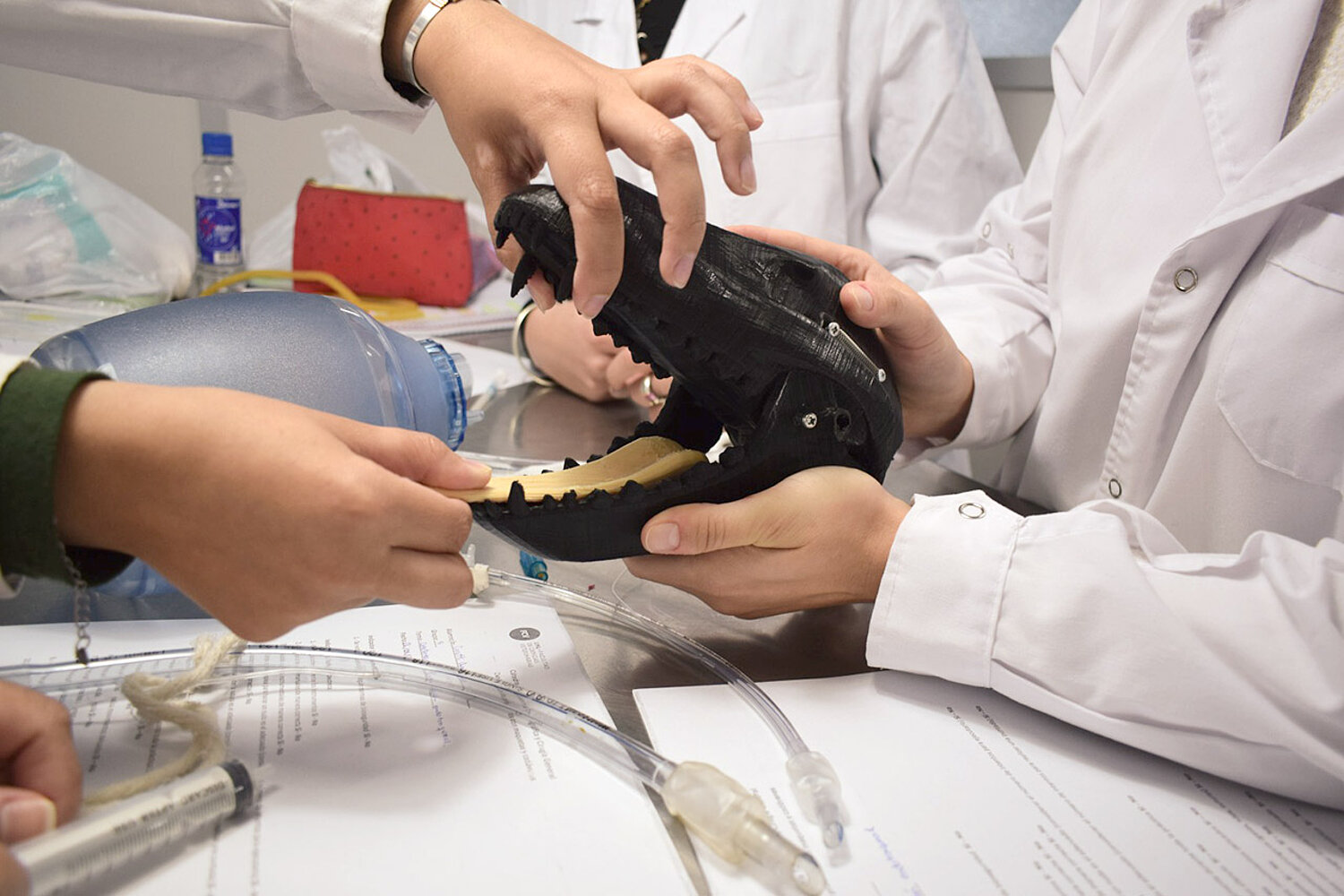
This project aims to strengthen the teaching of animal welfare and best veterinary practices within the curriculum, particularly in large-animal medicine and reproduction, by developing a veterinary simulation unit focused on bovine reproductive health. Development of practical skills will therefore be supported by simulation-based learning, reducing reliance on live or cadaver animals in early training, and promoting methods aligned with modern welfare standards. Moreover, teaching staff will be trained and special use protocols will be developed, to standardise practical skill development so that all students acquire core competencies in obstetrical procedures and neonatal care under supervised, controlled conditions.
The project will incorporate the existing infrastructure of the Technology Innovation Centre (CITec FCV-UNL) to design and produce some of the simulator components using 3D printing. This capacity also supports the future development, adaptation, and maintenance of veterinary simulators within the institution.